
Buying commercial property can represent a significant financial commitment, whether the building will house a business, generate rental income, or serve as an investment for future development. Beyond the purchase price, buyers need to evaluate the condition of the property, its operating costs, potential repairs, and how well the site aligns with long-term plans.
A property may look attractive during a quick tour while hiding expensive maintenance concerns beneath the surface. Roofing, plumbing, heating, paving, drainage, insulation, and exterior features can all influence the property’s value and future expenses. Understanding these elements before making an offer can help buyers make more informed decisions and identify issues that may affect negotiations.
Evaluate the Property’s Overall Condition
Before purchasing a commercial property, conduct a thorough assessment of the building and surrounding grounds. Commercial structures often contain complex systems that require specialized maintenance, and replacing or repairing those systems can create substantial costs.
Look beyond cosmetic details such as paint, flooring, and landscaping. Examine the roof, foundation, exterior walls, windows, doors, mechanical systems, electrical infrastructure, plumbing, parking areas, and drainage. Ask when major components were installed and whether records of previous maintenance or repairs are available.
It is also important to distinguish between routine maintenance and major capital improvements. A building with an older HVAC system may continue operating normally today but could require replacement in the near future. Similarly, an aging roof may not currently leak but could still have limited remaining service life.
A professional property inspection can provide useful information about these conditions. Buyers should also consider specialized inspections when the property’s age, location, or intended use creates additional concerns.
Investigate the Roof and Exterior
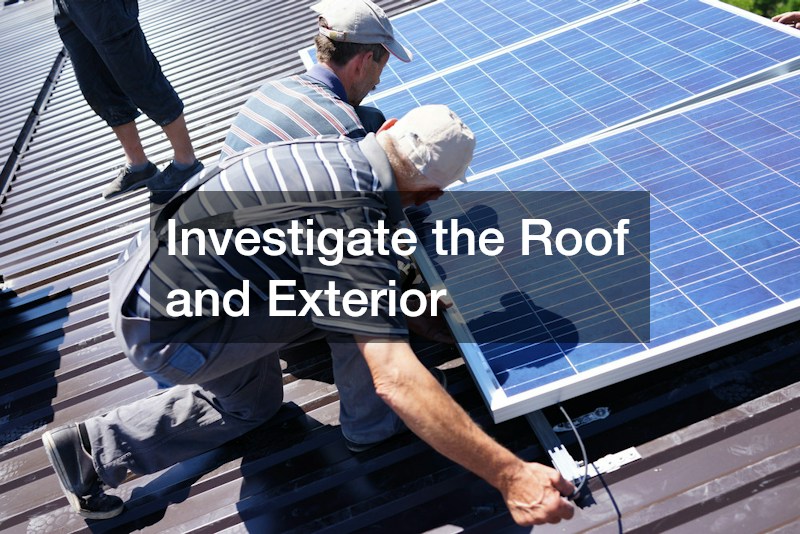
The roof is one of the most important structural components to evaluate because commercial roofing systems can be expensive to repair or replace. Ask for documentation showing when the current roof was installed, what materials were used, and what maintenance has been performed.
Experienced commercial roofers can evaluate the roof’s current condition and identify signs of deterioration. They may look for damaged membranes, ponding water, deteriorated flashing, damaged insulation, clogged drains, or other conditions that could eventually lead to water intrusion.
Exterior walls deserve similar attention. Cracks, moisture damage, deteriorated sealants, and damaged siding can indicate maintenance needs or more significant problems. Pay attention to areas around windows, doors, roof transitions, and other locations where water may enter.
Buyers should also consider how the exterior supports the property’s intended use. If customers or employees will spend time outside, features such as retractable awnings may improve usable outdoor areas and provide shade near entrances, patios, or waiting spaces.
Review Plumbing Infrastructure
Plumbing problems can become disruptive and expensive in commercial buildings. Before purchasing, determine the age and condition of the property’s plumbing infrastructure and identify any history of leaks, backups, water damage, or pipe replacement.
Professional plumbing services can help assess visible fixtures as well as larger systems that may not be apparent during a standard walkthrough. Depending on the building, this may include supply lines, drainage systems, water heaters, sewer connections, and specialized plumbing equipment.
Older buildings may contain aging pipes that have experienced corrosion, scaling, or deterioration. The property’s previous use should also be considered. A restaurant, manufacturing facility, medical office, or industrial operation may have substantially different plumbing requirements from a conventional office.
Buyers should obtain available records concerning previous repairs and ask whether the property has experienced recurring plumbing problems. A history of repeated repairs could indicate that larger infrastructure improvements may eventually be necessary.
Examine Sewer and Drainage Systems
The condition of underground sewer lines can be difficult to determine through a basic property inspection. However, problems in these systems can create serious disruptions and substantial repair costs.
A sewer inspection may identify cracked, collapsed, displaced, or obstructed pipes. Buyers should determine whether the property connects to municipal infrastructure or relies on another wastewater arrangement.
In some situations, trenchless pipe lining may provide an alternative to traditional excavation when damaged underground pipes need rehabilitation. The technique can potentially reduce the amount of surface disruption associated with certain pipe repairs, although its suitability depends on the condition, location, and configuration of the existing system.
Understanding the property’s underground infrastructure before purchasing can also help buyers estimate future maintenance obligations. This is especially important when the site has extensive parking lots, landscaping, sidewalks, or other improvements that could be affected by conventional excavation.
Assess Heating and Cooling Systems
Heating and cooling equipment can account for a significant portion of a commercial property’s operating expenses. Buyers should identify the age, type, efficiency, and maintenance history of all major HVAC equipment.
Older furnaces, boilers, heat pumps, and air-conditioning systems may require more frequent repairs or consume more energy than newer equipment. Replacement costs can also vary considerably depending on the building’s size and mechanical configuration.
If equipment is approaching the end of its expected service life, obtain professional estimates for potential replacement. Furnace installations, for example, may involve more than simply replacing one piece of equipment. Existing ductwork, ventilation, electrical systems, controls, and building requirements may all affect the project.
Cooling equipment deserves the same attention. A system that appears to operate normally during a property tour may still have efficiency or capacity problems that become apparent under heavy demand.
Consider Alternative Energy Systems
Energy costs can significantly influence the long-term economics of commercial property ownership. Buyers should review historical utility bills and determine whether the building has opportunities for greater efficiency.
Insulation, windows, lighting, HVAC equipment, building controls, and renewable energy systems can all affect energy consumption. The property’s location and site characteristics may also make alternative heating and cooling approaches worth investigating.
Geothermal installation is one option that may be considered for certain commercial properties. These systems use underground temperature conditions for heating and cooling rather than relying solely on conventional equipment. However, feasibility depends on factors such as available land, soil conditions, system design, building size, and installation costs.
Energy improvements should be evaluated based on the property’s actual needs and expected ownership period. A buyer should consider both the initial investment and potential long-term operating expenses before committing to major upgrades.
Examine Parking Areas and Access
The condition of parking areas can influence both property value and daily operations. Cracks, potholes, drainage problems, faded markings, and deteriorating surfaces may indicate upcoming maintenance costs.
Evaluate parking areas throughout the site rather than looking only at the spaces nearest the building. Pay attention to traffic flow, loading zones, entrances, pedestrian routes, drainage, and accessibility.
Asphalt surfaces may require periodic sealing, patching, resurfacing, or reconstruction depending on their condition and age. Buyers should determine when the parking lot was last resurfaced and whether maintenance records are available.
Accessibility should also be considered. A property that technically has adequate parking may still present operational challenges if spaces, entrances, loading areas, or pedestrian paths are poorly arranged.
Review Exterior Metal Features
Commercial properties often contain metal components that support both appearance and function. These may include railings, gates, structural elements, decorative features, equipment enclosures, stairs, signs, canopies, and other fabricated components.
Custom metal works may become relevant when existing features need to be repaired, replaced, or modified to accommodate a new business. Before buying, inspect metal surfaces for rust, corrosion, loose connections, deformation, or other signs of deterioration.
The condition of these components can also provide clues about the property’s maintenance history. Consistent deterioration may indicate exposure to moisture or inadequate protective coatings, while damaged structural elements may require more immediate professional attention.
Buyers should account for both repair expenses and potential improvements when calculating the property’s true cost.
Look Beyond the Building
The surrounding property can be just as important as the building itself. Examine sidewalks, landscaping, drainage areas, retaining structures, fencing, signage, loading zones, and outdoor storage.
Consider how the property functions during different weather conditions. Poor drainage can result in standing water, erosion, foundation concerns, or damage to paved surfaces. Trees should also be evaluated for their proximity to structures, underground utilities, parking areas, and drainage systems.
Landscaping requirements can create recurring expenses, particularly on larger commercial sites. Buyers should determine which maintenance responsibilities fall to the property owner and which may be handled by tenants or contractors.
Future improvements should also be considered. If you plan to add outdoor seating, loading capacity, storage, signage, or customer amenities, verify that the property has enough usable space and that local regulations permit the planned changes.
Understand Insurance Requirements
Insurance is an important component of commercial property ownership, and costs can vary depending on the building, location, business activity, construction, age, and risk profile.
An experienced insurance agent can help buyers understand the types of coverage that may be required or appropriate for the property. This may include property coverage, general liability coverage, business interruption protection, equipment coverage, or other policies depending on how the building will be used.
Before closing on a property, request insurance estimates rather than assuming that coverage will cost a certain amount. A building with an older roof, outdated electrical systems, previous claims, or environmental concerns may present different insurance considerations than a newer structure.
Buyers should also understand deductibles, exclusions, coverage limits, and conditions that may affect future claims.
Research Zoning and Permitted Uses
A commercial building’s physical condition is only one factor in determining whether it is suitable for purchase. Buyers also need to verify that the property’s zoning and permitted uses align with their plans.
A building that currently operates as an office, retail location, warehouse, or service business may have restrictions on future uses. Changes in occupancy can sometimes trigger requirements involving parking, accessibility, fire protection, ventilation, plumbing, or other building systems.
Review zoning records and applicable regulations before making assumptions about what can be done with the property. If you intend to renovate or change the building’s use, determine whether approvals, permits, variances, or additional inspections will be necessary.
This research can prevent buyers from purchasing a property based on plans that later prove difficult or impossible to implement.
Review Environmental Considerations
Environmental conditions can affect both the cost and usability of commercial property. Depending on the property’s location and previous uses, buyers may need to investigate soil, groundwater, hazardous materials, underground storage tanks, or indoor air concerns.
Older buildings may also contain materials that require specialized assessment before renovation. Previous industrial or commercial activities can create additional environmental considerations.
Buyers should review available environmental reports and determine whether further investigation is warranted. If concerns are identified, professional assessments can help clarify potential liabilities and remediation costs.
Environmental research can be especially important when purchasing older industrial sites, former service stations, manufacturing facilities, or properties with a history of chemical use.
Calculate Maintenance and Operating Costs
The purchase price alone does not determine whether a commercial property fits your budget. Create a realistic estimate of ongoing operating expenses and anticipated capital improvements.
Review utility bills, property taxes, insurance premiums, maintenance contracts, landscaping costs, snow removal, security, waste services, repairs, and other recurring expenses.
Then consider major systems that may need replacement during the ownership period. A building could require a new roof, HVAC equipment, plumbing improvements, paving work, or electrical upgrades even if everything functions adequately at the time of purchase.
Creating a projected maintenance schedule can make these future expenses easier to understand. Rather than viewing repairs as unexpected costs, buyers can incorporate likely improvements into their ownership planning.
Compare the Property With Alternatives

When evaluating a commercial building for sale, compare it with other properties in the same market. Look at purchase prices, building sizes, locations, property conditions, parking capacity, amenities, zoning, and potential renovation requirements.
Comparisons can reveal whether a property requires unusually high investment after purchase. A lower-priced building may need substantial repairs, while a more expensive property could have newer infrastructure and fewer immediate capital requirements.
The goal is not simply to identify the lowest purchase price. Buyers should understand the total financial commitment associated with each property and consider how the building’s condition affects its long-term usefulness.
Request Documentation Before Closing
Before completing a purchase, gather as much relevant documentation as possible. Depending on the property, this may include inspection reports, maintenance records, utility bills, warranties, permits, leases, service contracts, environmental assessments, insurance records, tax documents, and previous repair invoices.
Ask specifically about major improvements. If the seller recently replaced a roof, HVAC system, plumbing infrastructure, or parking surface, documentation can help verify the work and establish useful information for future maintenance.
Buyers should also confirm that improvements were completed in accordance with applicable requirements. Missing permits or incomplete documentation can create complications later, particularly when renovating or selling the property.
Build a Realistic Purchase Budget
A commercial property budget should account for more than the down payment and purchase price. Buyers should consider closing expenses, inspections, professional fees, immediate repairs, renovations, insurance, taxes, utilities, and reserves for unexpected problems.
It can also be useful to separate short-term improvements from long-term capital projects. Immediate safety or operational concerns may need to be addressed shortly after closing, while other improvements can be scheduled over several years.
This approach provides a clearer picture of the property’s financial requirements and reduces the chance that major maintenance needs will come as a surprise.
Make the Property Work for the Long Term
Buying commercial property requires looking beyond the condition of the building on the day of the transaction. The most useful evaluation considers how the property will perform throughout the intended ownership period.
Roofing, plumbing, heating, cooling, paving, exterior components, underground infrastructure, energy systems, insurance, and zoning can all influence the property’s long-term practicality. Careful research can help buyers identify potential expenses before they become obligations.
A thorough evaluation also creates an opportunity to negotiate based on documented conditions. If inspections reveal significant repair requirements, buyers may be able to account for those costs when structuring the transaction.
Commercial real estate can offer substantial opportunities, but successful ownership depends on understanding the responsibilities that come with the property. By examining the building, infrastructure, operating expenses, regulations, and future improvement needs before purchasing, buyers can approach the transaction with a more complete understanding of what they are acquiring.