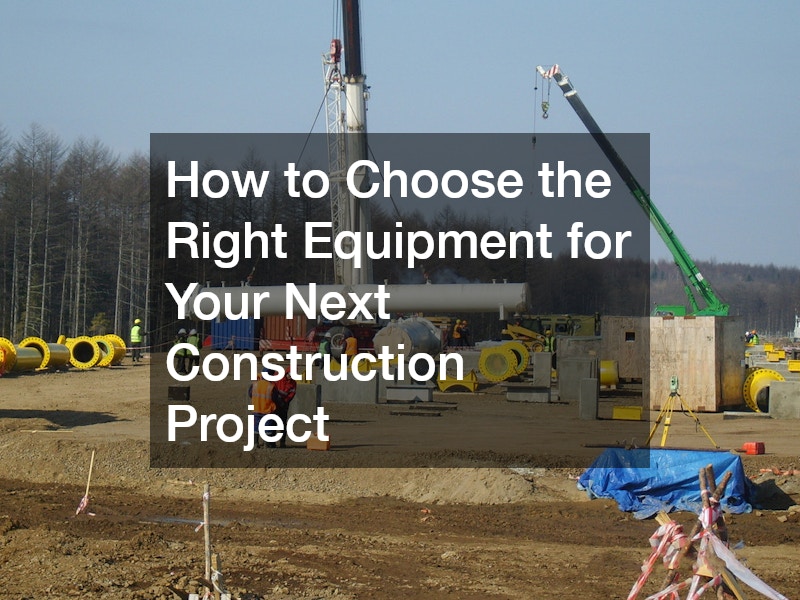
Every construction project depends on having the right tools available at the right time. Whether you are managing a residential landscaping job, preparing a commercial development site, or handling road repairs, equipment selection can directly affect productivity, safety, and overall project costs. Choosing machinery that matches the scope of your work helps prevent delays, reduces labor strain, and ensures the finished project meets quality standards.
Many contractors and project managers face challenges when deciding which equipment is necessary. Buying every machine outright is rarely practical, especially for specialized tasks that may only come up occasionally.
That is why many businesses rely on equipment providers to access the tools they need without taking on the financial burden of ownership. Understanding your project requirements is the first step toward making smart equipment decisions.
Technology is also becoming a bigger factor in equipment selection. Many modern machines now include GPS tracking, fuel-efficiency monitoring, and automated controls that improve precision and reduce waste on job sites. Contractors who take advantage of these features can improve project accuracy while lowering operating costs. As construction demands continue to evolve, staying informed about new equipment capabilities can help businesses remain competitive and better serve their clients.
Evaluate Your Project Scope and Site Conditions
Before selecting any machinery, take time to assess the full scope of your construction project. Consider the type of work being completed, the size of the job site, and the materials involved. Excavation projects may require backhoes, skid steers, or excavators, while paving jobs often need rollers and asphalt equipment. Demolition work may call for specialized attachments or heavy-duty machinery designed to handle debris removal.
Site conditions also play a major role in determining what equipment will perform best. Uneven terrain, soft soil, tight access points, and weather conditions can all impact how efficiently machinery operates. For example, compact job sites may require smaller equipment that can maneuver through narrow spaces, while larger commercial sites may benefit from heavy-duty machines capable of handling high-volume workloads.
Ground preparation is another important consideration. If your project involves building foundations, paving roads, or preparing soil for landscaping, proper compaction is essential. Weak or uneven ground can lead to structural issues later on. Many contractors turn to compaction equipment rental services for rollers, plate compactors, and rammers that help create stable surfaces without investing in equipment they may not need year-round.
Compare Renting Versus Buying Equipment
One of the biggest decisions construction businesses face is whether to rent or purchase machinery. Buying equipment can make sense for tools you use frequently, but ownership comes with maintenance costs, storage needs, insurance expenses, and depreciation concerns. For smaller companies or contractors handling diverse projects, purchasing every piece of equipment may not be financially realistic.
Renting equipment offers flexibility that many businesses appreciate. You can access specialized machinery only when needed, reducing overhead while still completing projects efficiently. Rental providers often maintain their equipment regularly, which helps lower the risk of breakdowns and costly repairs during your project timeline.
Seasonal demand can also influence your decision. Some equipment may only be necessary during certain times of the year, making rentals a more practical option. For example, contractors who occasionally need trenchers, compactors, or aerial lifts may benefit from renting rather than storing equipment during long periods of inactivity.
Rental companies may also offer guidance on selecting the right machinery for your specific project. Their expertise can help you avoid renting equipment that is too large, too small, or poorly suited for your workload. Working with an experienced provider helps ensure you receive equipment that aligns with your project goals.
Prioritize Safety, Efficiency, and Operator Training
Even the most advanced machinery can create problems if operators are not properly trained. Before using any rented or purchased equipment, verify that workers understand how to operate it safely. Proper training reduces accidents, prevents damage, and keeps projects running smoothly.
Safety features should also be part of your equipment selection process. Look for machinery with updated controls, backup alarms, stability systems, and protective features that support safe operation. Routine inspections before each use can help identify maintenance issues before they become serious hazards.
Efficiency is equally important when choosing equipment. Machines that complete tasks quickly while using less fuel or requiring fewer labor hours can improve your bottom line. Equipment that supports faster project completion may help your business take on additional work and increase profitability over time.
Partnering with a reliable equipment provider can make the entire process easier. A trusted rental company can help you secure dependable machinery, answer operational questions, and keep your project moving forward. By carefully evaluating your job requirements, comparing rental options, and prioritizing safety, you can choose equipment that helps every construction project succeed.
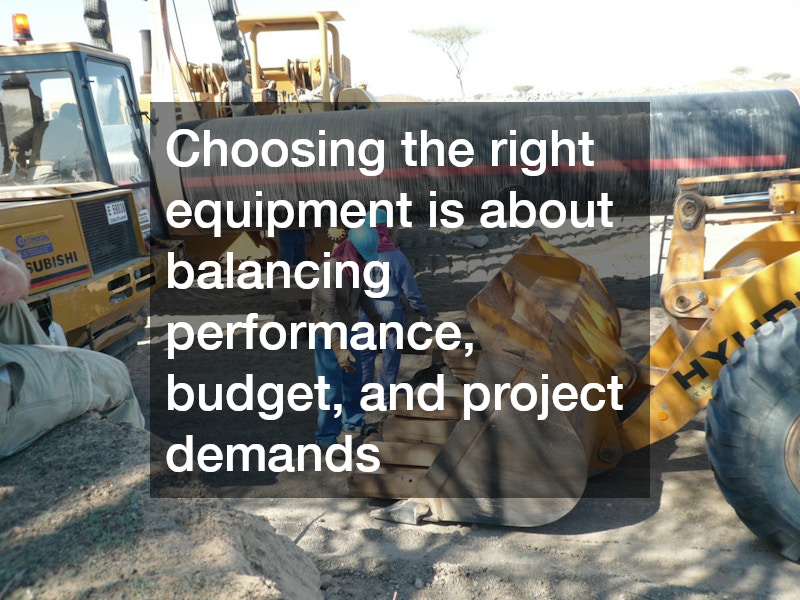
Ultimately, choosing the right equipment is about balancing performance, budget, and project demands. Taking the time to evaluate your job site conditions, explore rental options, and prioritize safety can prevent costly mistakes and improve overall efficiency. Whether you need specialized machinery for a one-time project or dependable tools for ongoing work, making informed equipment decisions helps ensure your construction projects stay on schedule and deliver strong results.