
Expanding production capacity or transforming an existing industrial plant is one of the most capital-intensive, deadline-sensitive endeavors a manufacturing organization can undertake. Whether responding to sudden market demand, integrating new product lines, or modernizing legacy infrastructure, speed to market determines competitive advantage. However, rapid scaling carries significant risk. Unforeseen structural delays, utility bottlenecks, and equipment integration failures can quickly inflate budgets and stall operations.
Executing a successful fast-track facility expansion requires a coordinated approach that bridges heavy civil engineering, specialized equipment procurement, robust digital infrastructure, and responsible decommissioning. By systematically managing every layer of the physical and operational footprint, industrial leaders can drastically reduce commissioning timelines while laying a resilient foundation for long-term growth.
Foundation and Site Evaluation
Before heavy equipment arrives on the shop floor or new foundation slabs are poured, the physical site must undergo rigorous analysis. Accelerating a buildout without verifying ground integrity is one of the costliest mistakes an operations team can make, as vibrating machinery and multi-ton equipment lines demand precise load distribution.
Engaging a geotechnical engineering firm early in the planning phase ensures that soil stability, subsurface conditions, and structural load capacities align with your machinery requirements. These assessments identify potential settlement risks, water table concerns, or soil compaction needs before concrete is poured. By addressing these factors preemptively, project managers prevent catastrophic delays associated with foundation cracking or structural retrofits midway through equipment installation.
Simultaneously, legacy utilities hidden beneath the factory floor must be assessed. Traditional pipe replacement methods can drag on for weeks, requiring extensive trenching that paralyzes floor traffic and halts production. Implementing UV pipe line repair technologies offers a trenchless alternative, curing structural liners inside existing drainage and utility piping within hours using ultra-violet light. This approach restores critical sub-surface fluid management systems without tearing up the shop floor, keeping heavy machinery access routes fully open.
Precision Machining and Custom Fabrication
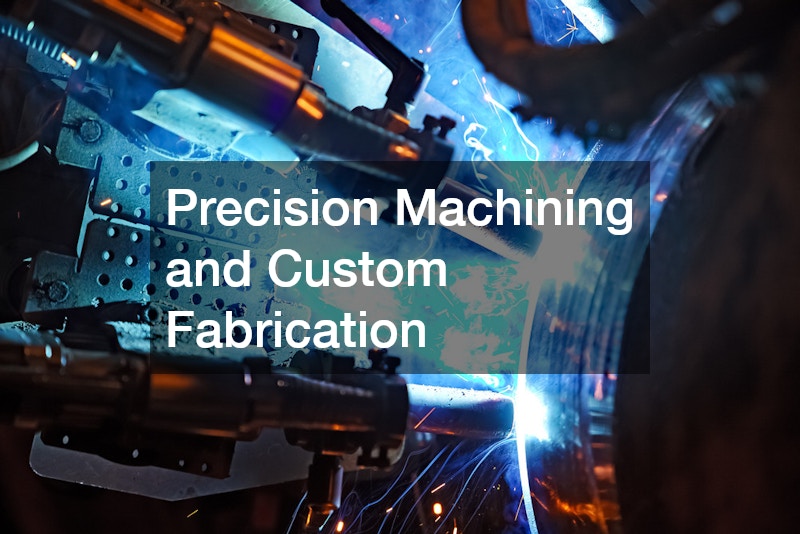
Once the physical site is secured and verified, attention shifts to core production equipment and custom tooling. Offshoring component fabrication or waiting on overseas machinery delivery can introduce month-long lead times that derail aggressive commissioning schedules. Localized vendor networks are essential for maintaining operational momentum. Relying on long-distance international supply chains during a fast-track facility expansion introduces severe exposure to shipping delays, customs holds, and communication lag over time zones. By shifting key tooling and fabrication requirements to nearby regional partners, project managers retain direct control over production schedules, quality audits, and rapid design iterations.
Establishing a partnership with a reliable local CNC machine center enables rapid prototyping, custom fixture fabrication, and immediate access to replacement components during setup. When setting up a high-speed production line, off-the-shelf tooling rarely fits exact spatial or operational requirements without modification. Having high-precision milling, turning, multi-axis machining, and EDM capabilities nearby eliminates weeks of transit wait times and allows engineering teams to refine custom parts in real time based on physical fit checks. If a bracket design needs a two-millimeter offset or a drive shaft requires emergency re-machining during line testing, a nearby machining partner can execute modifications within hours rather than weeks, preventing expensive engineering teams from standing idle.
For heavy structural components, custom enclosures, and specialized chassis, partnering with an established metal forming company provides the necessary capacity for precision bending, stamping, laser cutting, and structural fabrication. Custom guards, conveyor brackets, safety barriers, and specialized operator staging platforms must often be tailored to fit the precise, unyielding geometry of an existing plant layout. Sourcing these heavy structural elements from specialized fabricators who can adapt quickly to on-site engineering change orders ensures that the physical assembly of the production line proceeds without interruption, establishing a seamless path from raw structural metal to a fully integrated shop floor.
Packaging Operations and Supply Chain Integration
A fully optimized manufacturing line is only as fast as its downstream packaging system. A bottleneck at the end of the line will quickly back up primary assembly, negating any speed gains achieved earlier in the process. Scaling a facility requires integrating robust, high-throughput packaging solutions capable of keeping pace with increased production volume. When primary assembly outpaces packaging capacity, finished goods pile up on staging floors, creating physical obstructions, increasing the risk of product damage, and forcing expensive plant slowdowns. Modernizing this critical end-of-line phase ensures that product flow remains fluid from raw material intake all the way through final palletization and dispatch.
Integrating an automated corrugated box making machine directly into the end-of-line process allows facilities to produce custom-sized shipping containers on demand. This eliminates the need to store massive inventories of pre-folded boxes, saving valuable square footage on the factory floor and dramatically reducing box-management downtime. On-demand box generation ensures that products are immediately packaged, protected, and staged for dispatch the moment they exit the final assembly stage. Furthermore, tailoring box dimensions precisely to each outgoing shipment minimizes interior void space, cutting down on secondary protective fill requirements and significantly reducing dimensional weight shipping costs.
For liquid, chemical, or fast-moving consumer goods operations, raw material supply chains must be tightly aligned with high-speed packaging hardware to prevent costly line stoppages. Working with top-tier PET preform manufacturers ensures a steady, high-quality supply of container blanks ready for stretch blow molding, thermal conditioning, and inline filling. Maintaining consistent polymer density, precise neck finishes, and strict preform weight tolerances prevents wall thinness, stress cracking, and equipment jam-ups in high-speed blow molding lines. This level of material consistency guarantees that primary liquid packaging runs continuously alongside secondary corrugated packing, creating a unified, seamless packaging ecosystem that supports maximum facility throughput.
Power Resilience and Digital Infrastructure
Modern manufacturing facilities rely heavily on continuous automated systems, connected sensors, and real-time data flow. An unreliable power grid or fragmented communication network can lead to expensive line drops, lost production data, micro-stoppages, and severe damage to high-precision machinery. Fast-tracking a facility upgrade requires building utility redundancy directly into the floor layout from day one, ensuring that both electrical power and operational data flow continuously without single points of failure. When retrofitting a high-throughput floor, ignoring these baseline infrastructure requirements during the initial layout phase frequently results in costly retrofits, unexpected downtime, and erratic equipment commissioning later in the buildout.
Installing a heavy-duty industrial diesel generator provides the primary line of defense against utility grid instability and sudden voltage sag. During the initial commissioning phase, municipal grid interconnections frequently experience temporary downtime or sharp voltage fluctuations as new, high-draw automated equipment and heavy drive systems are powered on and stress-tested. A dedicated, high-capacity power generator ensures that critical setup processes, precise thermal curing cycles, automated safety systems, and sensitive control electronics remain fully powered without interruption, protecting millions of dollars in capital equipment while preventing cumulative project delays. Furthermore, integrating automatic transfer switches ensures that even during unexpected local outages, critical continuous-processing lines can transition seamlessly without losing operational memory or damaging active product runs.
Alongside power reliability, the digital backbone of the modern smart factory demands equal priority. Deploying industrial-grade network supplies—including double-shielded Ethernet cabling, industrial managed switches, high-density patch panels, fiber-optic distribution nodes, and secure routing hardware—creates the high-bandwidth data highway required for modern Industrial Internet of Things (IIoT) architectures. In harsh factory environments characterized by heavy electromagnetic interference from motors and welding units, enterprise-grade hardware ensures signal integrity and prevents packet loss across automated cells. High-speed, deterministic connectivity between programmable logic controllers (PLCs), central supervisory control and data acquisition (SCADA) systems, human-machine interfaces, and enterprise management tools allows control engineers to monitor line performance, track real-time yield metrics, push instantaneous firmware updates, and diagnose system anomalies immediately during the ramp-up phase.
Decommissioning and Materials Recovery
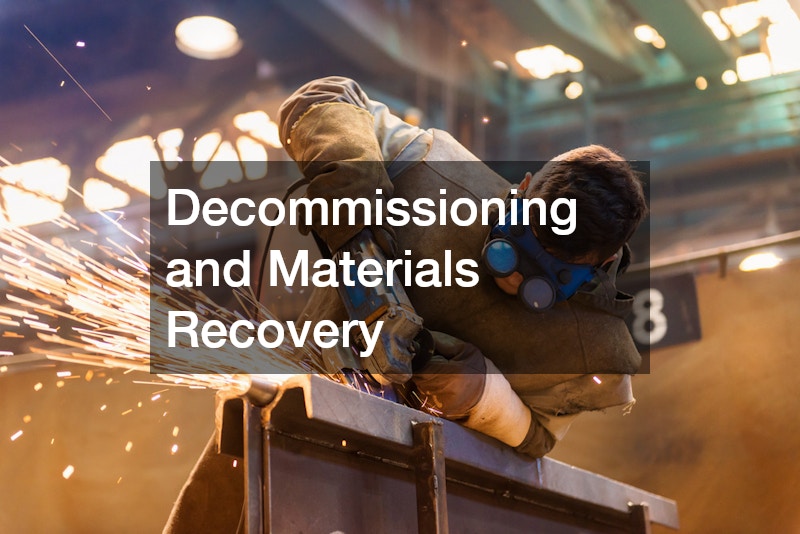
Rapidly retrofitting an existing factory floor almost always involves removing legacy machinery, obsolete electrical panels, heavy conduit runs, and redundant structural steel. How a facility handles this decommissioning phase directly impacts both overall project safety and environmental compliance, while also setting the tone for workplace safety standards across the entire expansion. Far from being a mere clearing-out exercise, efficient asset recovery and systematic scrap management can generate substantial revenue offsets, effectively turning waste streams into liquid capital that helps fund new facility upgrades, specialized tooling, and site civil work.
Modernization efforts generate substantial volumes of high-grade scrap wiring, heavy busbars, decommissioned power transformers, and commercial heat exchangers. Partnering with specialized copper recycling companies ensures that non-ferrous metals are meticulously sorted, weighed, and processed in full compliance with environmental regulations. High-grade copper pulled from outdated electrical infrastructure commands premium market rates; recovering this high-value scrap provides immediate financial returns that directly offset equipment teardown costs. Moreover, keeping multi-ton loads of heavy industrial metal waste out of local landfills strengthens corporate sustainability metrics and helps facilities meet stringent waste-diversion benchmarks required for modern green building certifications.
Similarly, clearing out legacy control cabinets, obsolete circuit boards, programmable logic controllers, and outdated monitoring hardware requires certified electronics disposal protocols to prevent severe environmental liability. Industrial-grade electronics frequently contain heavy metals, toxic flame retardants, and hazardous chemical compounds alongside reclaimable precious metals like gold, silver, and palladium. Safe removal demands strict chain-of-custody tracking, certified destruction documentation, and compliance with federal e-waste standards. Working with certified e-waste recyclers guarantees that hazardous materials are neutralized safely, intellectual property stored on legacy memory chips is permanently destroyed, and valuable raw components are reclaimed for re-entry into the manufacturing supply chain. This structured approach allows the facility to achieve a clean, fully compliant slate for its new operational footprint while mitigating regulatory risks.
Strategic Workstream Synchronization
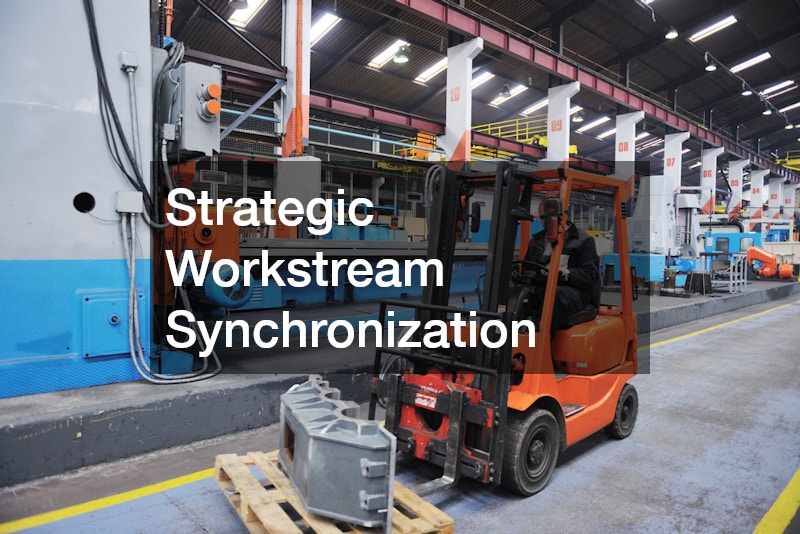
To achieve rapid operational scaling, facility managers must discard the rigid predictability of sequential scheduling in favor of a synchronized, multi-track deployment model. Traditional facility buildouts follow a linear path: site preparation transitions into civil work, followed sequentially by utility installation, machinery delivery, digital infrastructure setup, and ultimately the decommissioning of legacy equipment. While easy to map on a Gantt chart, this sequential model carries inherent risks. A single supply delay during site prep or a permitting bottleneck in civil engineering creates a domino effect, shifting every downstream milestone and inflating carrying costs. Fast-tracking operational scaling requires overlapping these critical workflows through an integrated, agile project management methodology designed to maintain momentum despite localized disruptions.
While subsurface civil work and utility trenching are actively progressing on-site—guided by preliminary geotechnical engineering assessments and localized trenchless UV pipeline repair—off-site custom machining and metal fabrication should already be moving at full capacity through a trusted local CNC machine center and a specialized metal forming company. Operating these long-lead manufacturing tasks in parallel with ground-level site prep ensures that structural mounts, custom brackets, and key machine components arrive fully inspected the moment the floor slabs cure.
Simultaneously, mechanical and IT installation teams must secure the facility’s core operational backbone. By integrating a heavy-duty industrial diesel generator and routing enterprise-grade network supplies early in the build phase, teams establish power redundancy and high-speed data architecture before heavy machinery ever enters the building. This provides immediate, stable power and connectivity to commission digital setup tools, run early equipment diagnostics, and support real-time telematics during assembly.
As primary assembly lines take physical shape, downstream packaging and supply chain logistics are streamlined in lockstep by integrating automated corrugated box-making machine systems alongside optimized material feeds from verified PET preform manufacturers. Concurrently, legacy decommissioning and site transition proceed without pausing new installation; site managers can utilize certified electronics disposal services and partner with local copper recycling companies to systematically recover scrap metal value. By treating civil engineering, off-site fabrication, digital integration, packaging logistics, and site remediation as concurrent workstreams rather than isolated phases, companies dramatically shrink time-to-market, minimize idle capital, and maintain full compliance throughout the facility expansion.
Maintaining Operational Momentum
Scaling or retrofitting a manufacturing facility is ultimately an exercise in risk management and coordination. By pairing advanced engineering practices with strategic vendor selection, industrial managers can bypass traditional expansion bottlenecks and dramatically compress commissioning cycles.
Focusing on site integrity, localized fabrication networks, resilient power and digital systems, streamlined packaging, and eco-compliant asset recovery ensures that the expanded plant operates at peak efficiency from day one. In an industrial landscape defined by rapid change, the ability to scale facilities quickly, safely, and sustainably remains one of the most powerful catalysts for long-term operational excellence.